How Micro-Dramas and Digital-First Content Are Shaping the Future of Indian Entertainment
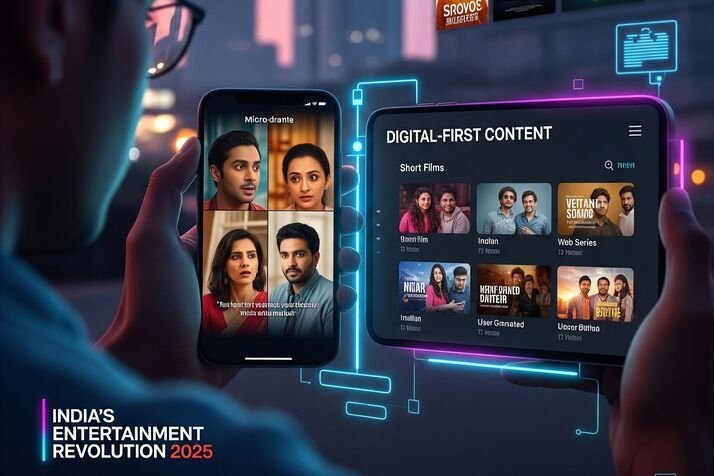
In 2025, the Indian film and entertainment industry is witnessing a remarkable evolution, driven not just by big-budget movies or star-studded blockbusters, but by something much more agile and audience-centric: micro-dramas and digital-first content. This new wave of short-form storytelling is not only shaking up traditional film paradigms but also creating fresh opportunities for talent, creators, and viewers alike. Let’s dive deep into why micro-dramas are trending, how digital-first content is forcing the industry to rethink its strategies, and what this means for the future of Indian entertainment.
The Micro-Drama Phenomenon: Small Stories, Big Impact
Micro-dramas—short scripted narratives usually lasting from a few minutes up to 30 minutes per episode—have emerged as the perfect format for today’s fast-paced, digitally connected audience. Unlike feature films or even typical TV serials, micro-dramas give creators the freedom to tell compact, emotionally rich stories without the constraints of length or budget.
Why are micro-dramas booming?
- Changing Viewing Habits: With smartphones firmly entrenched in everyday life, many Indians consume content during short breaks—commutes, tea times, or even while waiting in queues. Micro-dramas fit this “bite-sized” consumption perfectly.
- Relatable Storytelling: These stories focus on slice-of-life themes—relationships, career struggles, societal issues—that resonate deeply with younger generations craving authenticity and representation.
- Platform Support: Leading OTT platforms like MX Player, SonyLIV, and smaller niche players have embraced micro-dramas, providing creators with monetization options, targeted audiences, and analytical tools to grow.
- Lower Production Costs, Higher Experimentation: Micro-dramas allow filmmakers and writers to test new ideas without massive risk. This has encouraged fresh storytelling formats—like anthology series, interactive narratives, or hybrid documentary-fiction styles.
One shining example driving this wave is the viral success of shows like “Chhoti Kahaniyaan” and “Nayi Duniya” on digital platforms, which have accumulated millions of views within days of release. These stories have achieved what many traditional films can’t—creating intimate emotional experiences tailored for regional and urban viewers alike.
Digital-First Content: Reshaping Production and Distribution
In parallel with micro-dramas, digital-first content—original shows, films, and series produced exclusively for OTT platforms and online streaming—has matured from a niche segment into a mainstream powerhouse.
Unlike the traditional “film-first, OTT-later” model, digital-first production focuses on creating content that leverages the interactivity, data-driven audience targeting, and community-building capabilities available only in the digital ecosystem.
Key reasons digital-first content is dominating:
- Diverse Talent Pool: Online platforms have democratized access for new writers, directors, and actors who lacked entry points in Bollywood or regional film industries.
- Instant Audience Feedback: Creators get direct viewer insights through analytics and comments, enabling more responsive content evolution.
- Greater Genre Variety: From horror comedies to LGBTQ+ focused narratives to experimental dramas, digital-first projects take risks big-budget cinema avoids.
- Marketing Flexibility: Viral marketing on social media, influencer partnerships, and meme culture help spread digital-first content organically.
Prominent digital-first successes include shows like “Metropolis Tales”, which blends dystopian sci-fi with social commentary, and “Mumbai Diaries: Extra Hours”, a gripping medical thriller that earned its acclaim solely through streaming buzz.
The Cultural Relevance: Representation, Opportunity, and Connecting with the Audience
Micro-dramas and online-first content aren’t just a format change—it’s a sign of a cultural change that’s vital to India’s multicultural nation and evolving media consumption.
- Increased Regional Representation: Marathi, Bengali, Kannada, and other regional-language content has flourished online, amplifying voice to stories that mainstream Bollywood has no interest in hearing.
- Women-Led Tales: Female writers and show runners have welcomed these programs more than the traditional male-skewed ones, leading to greater diversity on and off the air.
- Young People’s Engagement: Gen Z and millennials, constituting the majority of smartphone-watching viewers, are drawn to gritty portrayals of mental illness, office politics, and city tensions.
- Social Discourse: Micro-dramas would touch upon taboo themes—consensual sex, caste bias, identity crises—initiating public debates and influencing social reform.
Challenges and the Way Forward
Even with massive growth, there are still some obstacles on the way for micro-dramas and digital-first content:
- Monetization Models: Large platforms splitting advertising revenues, but many producers struggling with sustainability, particularly independent producers who survive on brand collaborations.
- Discovery and Oversaturation: So many shows debuting every week, it’s difficult to cut through, so curation by recommendation and influencer marketing is essential.
- Quality Control: Micro-dramas sometimes offer less developed storytelling for speed or virality; finding a balance is still important.
- Regulatory Uncertainties: With blurring content lines, censorship guidelines for web versus theatrical release continue to evolve, sometimes causing friction.
However, trade insiders anticipate long-term growth driven by technology innovation (5G connectivity), increased content libraries, and more OTT players’ integration with traditional studios. We may not be far from seeing hybrid formats fusing micro-drama runs with feature film universes or Hollywood A-listers acting digital-first roles.
The Larger Picture: What Micro-Dramas of 2025 Reveal About Indian Cinema
Micro-dramas and digital-first content’s popularity cannot be dismissed as a short-lived fad. They point to:
A Less Capital-Dependent Industry: Where stories stop depending on budgets or star appeal.
- An Increasingly Intimate Connection Between Creators, Consumers, and Communities: Building communities not just based on watching but talking and interacting.
- A Shift in Power: Traditional gatekeepers in Bollywood, for example, are reinventing themselves by investing in digital content startups and incubators.
- A Cinema of Multi-Platforms: Cinemas remain important, but alongside mobile screens, smart TV sets, and even AR/VR experiences.
For the consumer, this means a more diverse, more personalized entertainment diet; for producers, a more open, more competitive arena.
Conclusion: Small Screens, Big Stories—India’s Entertainment Revolution in 2025
As India’s film industry persists in its epic saga with blockbuster battles such as “War 2” vs. “Coolie,” the less noisy revolution of micro-dramas and digital-native content transforming the way stories are consumed and told must not be overlooked. It serves as a reminder that great storytelling is not about scale or spectacle but about relevance, urgency, and connection.
The popularity of such formats perfectly encapsulates a modern India: diverse, fast-paced, technology-savvy, and starved for unpolished voices. Whether it is a warm love tale told in 10 minutes or a gripping mini-series viewed on the phone, the entertainment space is opening up—and anyone who has a tale to tell now stands a chance to be heard.
To producers, actors, and viewers alike, 2025 will be a year to remember—one in which the future is as much about the bite-sized narratives as it is about the block-buster epics.