

Top 5 Independent Films Ruling Filminity OTT This Week
Independent cinema has always been the heartbeat of storytelling—raw, authentic, and driven by passion rather than spectacle. This week, Filminity OTT shines a spotlight on five extraordinary short films that are not only entertaining audiences but also redefining the power of indie filmmaking. From family emotions to psychological reflections, from heartfelt love confessions to silent bonds, these stories prove that cinema is not measured by budget but by soul. Here’s a deep dive into the Top 5 Independent Films Ruling Filminity OTT this week—films that every cinephile and dreamer should experience.
AanandoBrahma – A Journey of Nostalgia and Values
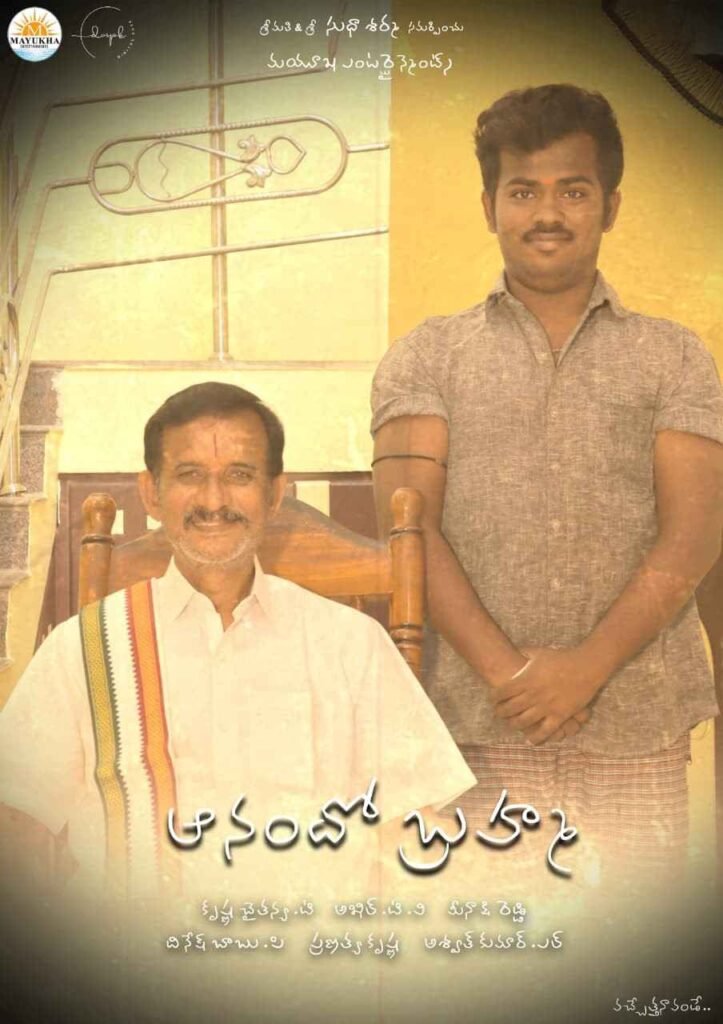
In the world of independent filmmaking, few short films manage to capture the warmth of nostalgia and the depth of traditional values as profoundly as AanandoBrahma. This evocative short film transcends mere storytelling, emerging as an emotional experience that resonates deeply with viewers longing for a connection to their roots. Drawing its inspiration from the beloved Pedda Balasiksha book—a cherished cultural cornerstone that has educated and shaped multiple generations—AanandoBrahma is a celebration of family, education, and the enduring lessons of life.
At the heart of this narrative are two contrasting yet complementary characters whose paths intertwine through fate and choice. Aanandayya (played with gentle wisdom by Sri Bytinti Meenakshi Reddy) is a retired teacher, an embodiment of solitude and reflection. His life is a quiet echo of decades spent imparting knowledge and values, now filled with memories and unspoken regrets. Brahmaiah (portrayed by Sai Kumar), on the other hand, is a humble villager, embodying simplicity, hope, and the raw struggles of everyday survival as he wanders in search of work.
The magic of AanandoBrahma lies in the interplay between these two souls, whose chance meeting unfolds into a journey layered with humor, fantasy, and profound lessons. The film uses this encounter as a prism to explore themes of education not merely as academic knowledge but as the wisdom of living harmoniously within family and society. Supporting roles by actors such as Sashavali, Bhagya, Bharath, Siva, Venugopal, and Gurudev (who poignantly appears as Lord Hanuman) enrich the narrative, adding texture and warmth that deepen the viewer’s emotional engagement.
The film stands out as much for its storytelling as it does for the richness of its cinematic craft. Writer and Director Krishna Chaitanya T’s vision is beautifully complemented by Akhil T V’s cinematography, which highlights the intimacy of the setting; shot largely in the filmmakers’ own home, this choice lends a rare authenticity and comfort to the scenes. Editor Pranithya Krishna’s seamless cutting enhances the film’s rhythm, allowing moments to breathe and emotions to linger. Meanwhile, Music Director Ashwath Kumar L’s evocative score weaves nostalgia into each frame, enhancing the emotional pull without overwhelming.
AanandoBrahma has not just been a favorite among audiences but also among critics and festival juries. It earned top honors at the Visakha Film Festival 2023 and garnered the prestigious Best Writer award at the V World Organization Film Festival. These accolades stand testament to the film’s ability to transcend regional and linguistic barriers, touching hearts with its universal themes.
Audience reactions reflect the film’s deep impact: many have shared how it reignites memories of childhood and education, invoking a bittersweet blend of joy and contemplation. Comments such as “This film reminded me of my childhood days. The Pedda Balasiksha connection hit hard!” and “I couldn’t stop smiling and tearing up at the same time” capture the sentiment of a film that moves beyond entertainment to become a personal experience.
AanandoBrahma’s place on Filminity’s spotlight this week is no accident. It showcases the power of independent cinema to preserve cultural heritage while telling timeless human stories. For viewers, it offers a gentle reminder that the core of cinema is authenticity, and that heartfelt stories will always find eager hearts to embrace them. This film proves that even the simplest settings and narratives, firmly rooted in genuine experience, can create an unforgettable cinematic journey.
Matsara – The Battle of Ego and Redemption

Where AanandoBrahma invites us into the warmth of nostalgia, Matsara confronts us with the raw, often painful realities of fractured family lives. Directed with sensitivity and insight by Siva Kumar Jungavani, Matsara is a striking exploration of jealousy, pride, and the emotional scars that egoistic behaviors can inflict. It’s a film that doesn’t shy away from the messiness of real life—the conflicts, misunderstandings, and silent wounds that often go unspoken within families.
At its narrative core is a father whose overwhelming pride and envy shape his decisions and relationships, leading to deep fissures within his family. This story unfolds against the backdrop of a South Indian household, with all its cultural nuances adding resonance and authenticity. The father’s complex character is one wrought with internal conflict—his actions driven by a toxic combination of ego and regret, yet hinting at the vulnerability beneath.
Yet Matsara is not merely about despair; it is ultimately a story of hope and redemption. The son’s resilience shines as a beacon, illustrating how courage and love can begin to heal even the most damaged relationships. The film delves powerfully into sibling rivalry, parental expectations, and the emotional fallout of unchecked immaturity, making it a profoundly human drama that feels both personal and universal.
From a technical standpoint, Matsara is no less impressive. Cinematographer Suchi K Naidu expertly captures the tense emotional atmosphere through deft framing and lighting, enhancing the viewer’s sense of intimacy and conflict. The haunting musical score by Giirish Keluth amplifies the film’s emotional weight, while editor Harideep Koncha’s precise pacing guides the narrative through its emotional peaks and valleys. Arun Karthik’s DI work adds poetic color transitions that visually parallel the family’s turbulent emotional journey.
The film’s cast delivers performances brimming with honesty and complexity. Durga Veeranki’s portrayal of a silent, suffering mother embodies the quiet strength and pain often unseen in family dramas. Rakesh Ramu’s nuanced take on the conflicted father captures the torment of pride and regret, while Lokesh and Lohith powerfully depict the fragile yet enduring bonds of brotherhood. The ensemble cast supports the story with authenticity, grounding the film’s emotional resonance.
Audience testimonials underscore the film’s impact: “I saw my own family in this film. It broke me and healed me,” says one viewer, capturing the bittersweet catharsis the film offers. Another calls it “not just a short film—it’s a life lesson,” highlighting the universality and significance of the film’s themes.
Matsara earns its place on Filminity’s platform by proving that independent cinema can be both technically sophisticated and emotionally raw. It confronts tough social issues with courage and craft, offering audiences a mirror for self-reflection while inspiring filmmakers that deep emotional storytelling can compete with mainstream productions in power and polish.
Yesterday, Today, Tomorrow – A Psychological Tapestry
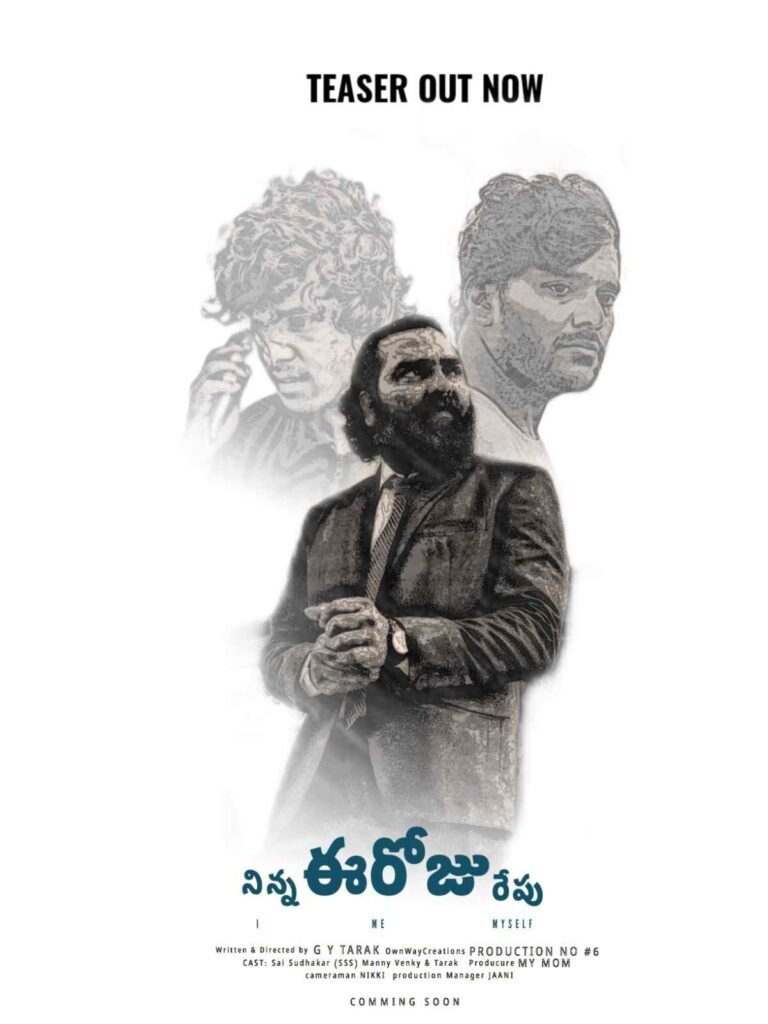
Indie films often dare to explore uncharted emotional territories, and Yesterday, Today, Tomorrow stands as a striking example of such fearless storytelling. This anthology-style short film takes a deep dive into the labyrinthine corridors of the human psyche, presenting a triptych that examines the disturbed mind through three distinct temporal lenses: the haunting shadows of the past (“Yesterday”), the chaotic present (“Today”), and the uncertain future (“Tomorrow”).
What makes this film extraordinary is its raw emotional honesty and psychological depth. Each segment delves into memories, trauma, resilience, and the battles fought silently in the recesses of the mind. Rather than offering neat resolutions, the film embraces ambiguity and complexity, reflecting the nuanced experiences of mental health and internal struggle.
Tarak, who takes on the triple role of actor, director, and editor, shapes the film with a remarkably personal touch. His portrayal of Arjun is visceral and vulnerable, anchoring the narrative with a performance that is both intimate and unsettling. The supporting characters—Manny as Vikram, Sai Sudhakar as Dev, and Venky as Raju—add layers of emotional texture, each representing different facets of Arjun’s fractured psyche.
The film’s technical craftsmanship amplifies its emotional impact. Nikki’s role as Director of Photography, poster designer, and colorist is critical in creating visuals that echo the film’s moody and intense tone. The careful use of color grading and cinematographic techniques immerses viewers into the internal states of the characters, making the psychological journey palpable.
Produced with the support of Tarak’s parents, Yesterday, Today, Tomorrow embodies the essence of independent cinema—personal, intimate, and unafraid to reveal raw truths. Audience reactions mirror the film’s power: viewers describe it as “like looking into my own thoughts” and praise its uncommon honesty. The film’s ability to create empathic connection with mental health themes makes it a profound viewing experience.
Filminity’s platform offers a perfect home for such challenging and introspective works. This film is not merely entertainment but an important cultural artifact urging conversations about psychological wellness. It reminds audiences and creators alike that storytelling is as much about confronting inner darkness as it is about joy and spectacle.
Dot…Dot…Dot…? – Love, Hesitation, and the Leap
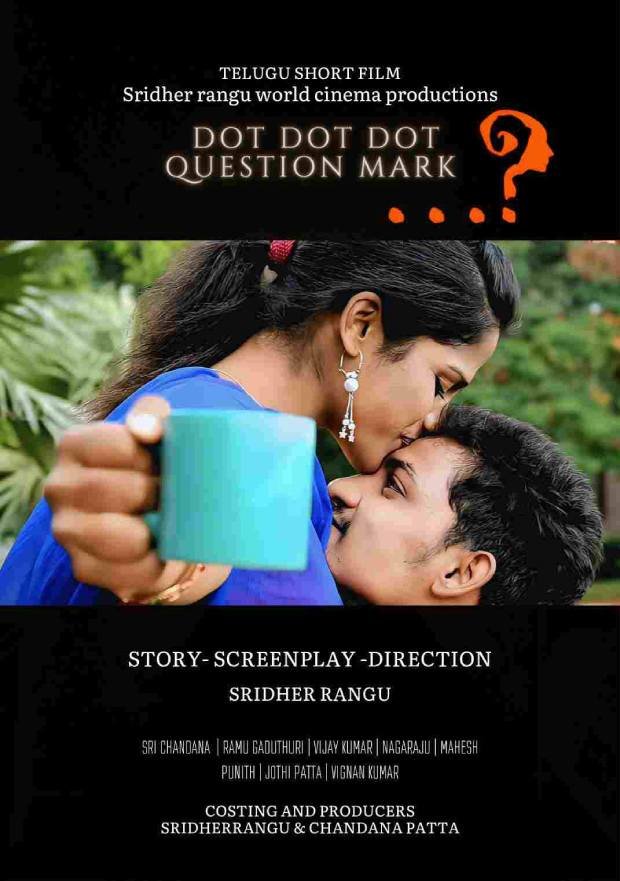
Romance, in its simplest form, can hold immense power and truth, a lesson that Dot…Dot…Dot…? articulates beautifully. This romantic short film captures the tender awkwardness, hesitation, and ultimate courage wrapped around the theme of love confession—a theme timeless yet endlessly nuanced.
Set against the tranquil backdrop of a park, the story unfolds with lighthearted yet meaningful exchanges between a girl and a boy, who gradually reveal the layers of their connection. Central to the narrative is a coffee cup—seemingly mundane but serving as a symbolic placeholder for emotions brewing beneath the surface. The film’s title cleverly references the “dots,” symbolic of pauses, hesitations, and the pregnant moments before love is spoken aloud.
What makes Dot…Dot…Dot…? truly special is the layered reveal that these two characters have been childhood friends, and this confession is the culmination of a lifetime’s shared histories and unfulfilled feelings. This twist delivers both nostalgic warmth and emotional payoff, connecting audiences to a love story that is both everyday and extraordinary.
The performers’ chemistry is palpable and nuanced. Hero Sridherrangu embodies a playful confidence tinged with nervousness, perfectly capturing the complexity of confessing love. Heroine and Producer Sri Chandana grounds the film with heartfelt sincerity and emotional depth, anchoring the unfolding narrative.
Behind the scenes, the creative team brings this story to life with finesse. Cinematographer Ramu Gaduthuri fills each frame with vibrant life and natural beauty, while editor Nagaraju’s crisp pacing keeps the story engaging and fluid. Vijay Kumar’s delicate music score underscores the emotions without overwhelming them. Assistant Director Jyothi Patta and Sound Engineer Punith contribute to the seamless smoothness, and post-production by Idea Factory IVI elevates the final cinematic texture.
Audiences have responded enthusiastically to this heartwarming story. Comments like “The twist gave me goosebumps!” and “This is how love really feels—awkward, funny, and beautiful” capture the emotional resonance of the film. Its accessibility and universal themes make it a firm favorite, especially for viewers familiar with the bittersweet dance of young or withheld love.
This film exemplifies why Filminity champions independent content—small budgets and minimal settings aside, stories told with genuine heart and attention to detail can create cinematic magic as powerful as any blockbuster. Dot…Dot…Dot…? is a testament to the transformative power of vulnerability and simplicity in storytelling.
Hey Siri – When Silence Speaks Louder than Words
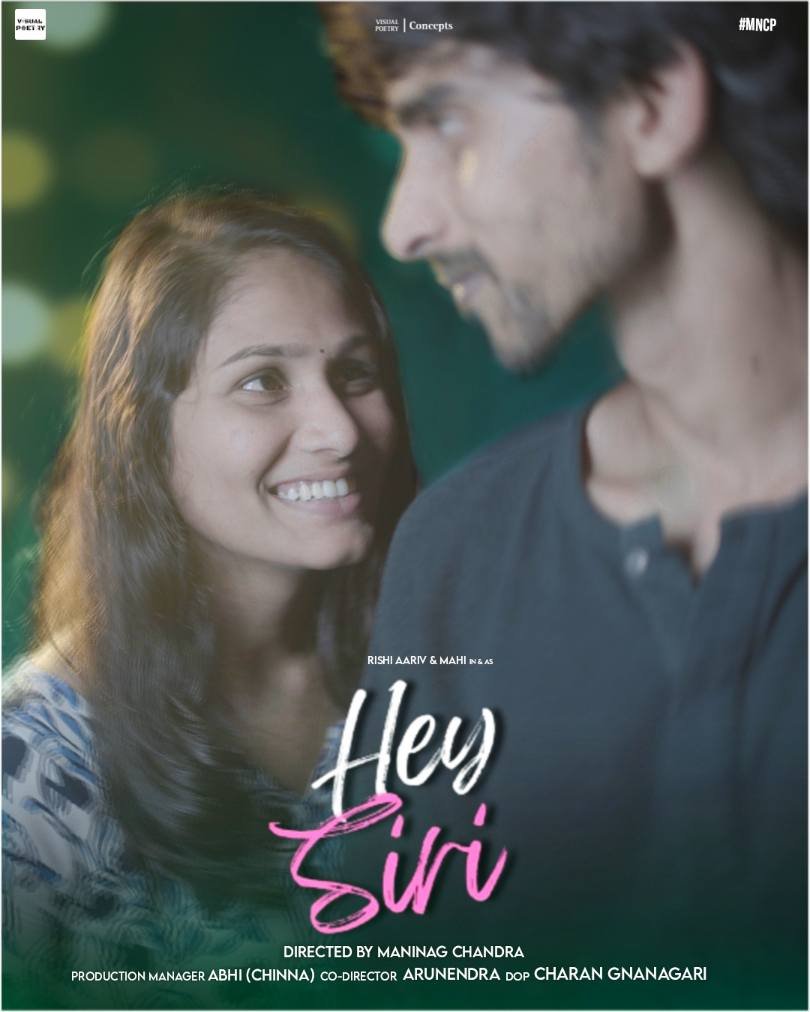
Rounding out Filminity’s top five independent films this week is Hey Siri, an intimate and deeply moving exploration of the unspoken spaces where love and friendship intersect. This short film lingers tenderly in moments of silence, revealing the complexities of relationships that defy easy classification.
At its center are two characters, Sirisha (portrayed with quiet strength by Mahii) and Varun (Rishi Aariv), who share a bond defined more by companionship and shared struggles than explicit declarations. The dynamic between Sirisha’s structured, disciplined nature and Varun’s free-spirited, chaotic energy creates a compelling contrast that drives the narrative forward.
The film’s subtle narrative unfolds through gestures, glances, and pauses that speak volumes. It acknowledges the emotional tension of unspoken love—the ache, the hope, and the fear wrapped in silence. Directed and edited by Maninag Chandra Perika, the film’s deliberate pacing invites viewers to immerse themselves fully in these quiet moments, trusting the subtlety to convey the story’s emotional truths.
Writer Harsha’s minimalist, poetic dialogues hint at deeper feelings without overt exposition, while Charan Gnanagari’s cinematography elevates the visuals to a form of lyrical expression. Joy Rohith’s minimalistic musical score beats like an unseen heartbeat, Giridhar Yarragodula’s color grading sets tone and mood, and co-director Arunendra maintains the emotional flow with sensitivity.
Performances are the soul of Hey Siri. Rishi Aariv embodies the charm and vulnerability beneath Varun’s carefree facade, while Mahii’s reserved yet poignant expressions capture Sirisha’s internal world with authenticity. Supporting roles by Abhi and Sathish ground the story further, adding layers of everyday reality and emotional texture.
Audiences have articulated their connection to the film with heartfelt words: “This film is therapy. It knew my heart,” and “It’s the kind of story you sit with quietly,” underscoring its gentle power and delicate emotional impact.
Hey Siri stands as a powerful example of how indie films can use subtlety and minimalism to explore complex emotional landscapes. It affirms that sometimes, less is more—that silence can be as expressive as words, and that the spaces between moments carry profound significance.
The Indie Spirit on Filminity: A Celebration of Authentic Storytelling
These five films—AanandoBrahma, Matsara, Yesterday, Today, Tomorrow, Dot…Dot…Dot…?, and Hey Siri—are not just dominating viewership on Filminity OTT but also embodying the very essence of independent cinema. Their common thread is authenticity—the courage to tell stories rooted in lived experiences, emotions, and social realities without the trappings of big budgets or commercial formulas.
Filminity’s spotlight on these films this week highlights the power of indie films to explore a wide spectrum of human life. From the warmth of nostalgic memories to the raw wounds of family conflict; from the intricate pains of mental health struggles to the tender, awkward dance of love and confession; from the depth of what remains unspoken in relationships—this selection showcases narrative diversity and emotional depth.
For the audience, these films are invitations to journey beyond surface entertainment into realms of reflection, empathy, and personal connection. They spark conversations about heritage, familial bonds, mental wellness, and the many shades of love. For filmmakers, they stand as proof that compelling cinema is borne of passion, perseverance, and truth-telling. They inspire a new generation of storytellers to embrace their voices and experiences without compromise.
In a digital age where content is abundant but often formulaic, Filminity is carving out a space for indie cinema to thrive as a vital cultural force. The platform’s support for such films underscores a recognition that great content is king, and within that kingdom, independent stories serve as priceless jewels.
Final Thoughts: Independent Films Ruling Hearts and Screens
These Top 5 Independent Films on Filminity OTT this week are milestones—each a distinctive voice articulating unique visions and emotional truths. They serve as a reminder that independent filmmaking is not only alive and vibrant but also shaping the future of cinema through innovation, sincerity, and emotional resonance.
For viewers, these films offer more than just a viewing experience—they are moments of introspection, nostalgia, courage, and healing. For filmmakers, they are a testament that authenticity and dedication can outshine budgets and elaborate spectacle. In celebrating these films, Filminity champions a future where creativity and heart define cinematic excellence.
As these stories continue to inspire, that future looks brighter—and indies like these remain the heartbeat of true storytelling.