

Filminity OTT continues to set a bold benchmark for Indian independent filmmaking, reflecting a growing hunger among audiences for authentic, daring, and meaningful stories. Across the 6th week of September 2025, the platform’s Top 5 independent films have not just entertained—these works have inspired audiences, sparked discussions, and showcased the incredible range of talent both at and behind the camera. Each movie, from nostalgic drama to psychological reflection and rural comedy, presents a masterclass in collaborative filmmaking.
This editorial shines a spotlight on the week’s top selections—AanandoBrahma, Chinna Army, Matsara, Yesterday Today Tomorrow, and CHAI. Their perfectly credited cast and crew, innovative storytelling, and audience resonance form the beating heart of Filminity’s success.
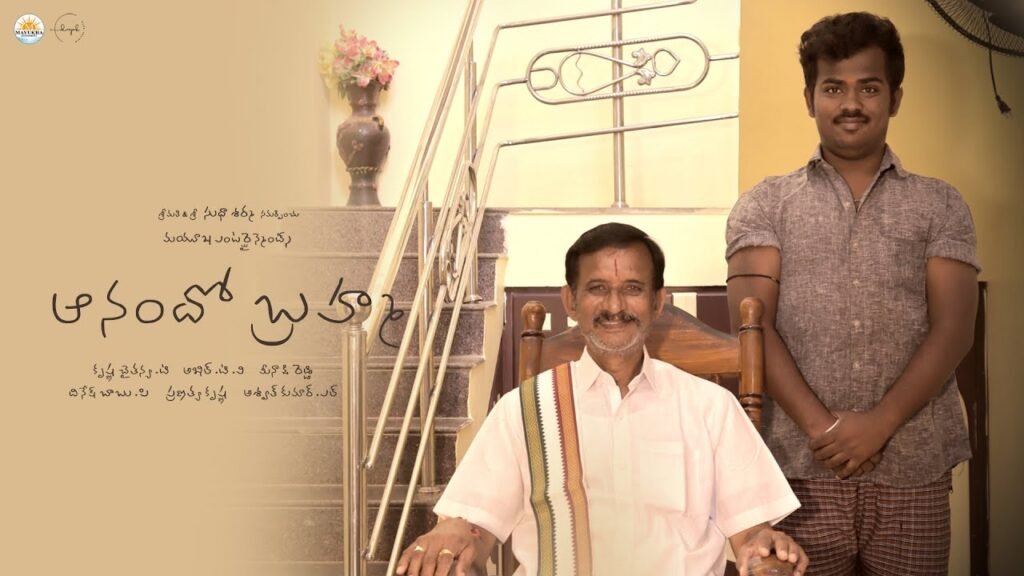
1. AanandoBrahma: Nostalgia, Family, and Soulful Artistry
Synopsis
AanandoBrahma is a heartwarming Telugu short film that crystallizes the essence of family bonds, educational values, and the cherished memories of the Pedda Balasiksha. Its narrative follows Aanandayya (Sri Bytinti Meenakshi Reddy), a retired government teacher, and Brahmaiah (Sai Kumar), an innocent villager seeking work in the city. Their chance encounter evolves into a poignant bond, illuminated by humor, gentle fantasy, and the bittersweet undertone of childhood nostalgia.
Cast and Crew
Sri Bytinti Meenakshi Reddy anchors the film as Aanandayya, imbuing the character with depth and lived wisdom. Sai Kumar, as Brahmaiah, delivers an engaging blend of innocence and curiosity, making the audience believe in transformation. Sashavali shines as Sekharam, while Bhagya’s Savitramma and the supporting performances of Bharath, Siva, Venugopal, and Gurudev (as Lord Hanuman in a cameo) flesh out a lovingly rendered ensemble. Their collective chemistry captures the complexities of Telugu familial and village life.
Krishna Chaitanya T stands out not only as director but also as writer and lyricist, guiding the film’s tone with both poetic and narrative precision. Cinematographer Akhil T V crafts visual warmth, framing each moment to evoke the nostalgia central to the story. Editor Pranithya Krishna’s subtle choices maintain emotional continuity, and Ashwath Kumar L’s background score elevates scenes with restrained sentiment. Dubbing maestro Lubek Lee Marvin and V A N Studio ensure linguistic and sonic clarity. This technical cohesion, under the banner of MAYUKHA Entertainments (producers Smt. & Sri Sudha Sarma, co-produced by Meenakshi Reddy), gives every detail a layer of purpose.
Performance and Technical Notes
The leads offer nuanced performances: Meenakshi Reddy gracefully captures the loneliness and pride of a retired teacher, while Sai Kumar’s Brahmaiah offers natural humor and empathy, resonating with viewers of all ages. The supporting cast adds texture and authenticity, reinforcing the communal elements of Telugu culture.
On the technical front, soft lighting and careful editing bring intimacy; vocal performances add lyrical/dubbed precision; the score gently delivers emotional cues without overwhelming. Every member of the crew harmonizes to manifest a timeless aura.
Audience Response
Audiences connect deeply with the film’s nostalgic pulse, praising its portrayal of tradition, respect for elders, and the everyday beauty of simple life. Viewers cite its universality—reminding them of their own teachers, families, and the importance of education—while expressing gratitude for the ensemble’s collective soul.
2. Chinna Army: Rural Heartbeat and the Power of Friendship

Synopsis
Chinna Army (Part 1 and its newly released sequel this week) captures the essence of Telugu village life with equal measures laughter and tears. Through the adventures and trials of a tight-knit group of youngsters, it explores dreams, loyalty, love, and the inevitable challenges that test these bonds. The story’s shifting balance of comedy and drama paints a vivid portrait of rural India, inviting viewers into a world as resilient as it is joyful.
Cast and Crew
Mahesh Chenchali leads as Siva, drawing the audience in with a performance rich in sincerity and subtle comedic timing. Srikanth Sampeta’s Rakhi complements this energy, grounding the story in earnest aspiration. Swathi and Madhuri Reddy expand the narrative’s emotional texture—playing characters who embody both domestic strength and personal ambition. Teegala Saidulu Goud supports the cast with quiet gravitas.
Behind the scenes, Mahesh Chenchali’s dual role as actor-director proves pivotal. Srikanth Sampeta’s screenplay interlaces humor with moral dilemmas, ensuring story momentum. Prabhakar Sk’s cinematography preserves the rural aesthetic—fields, markets, and lane gatherings—while Vasu Ippilli’s editing provides clarity and pacing. Bhakar Appalla’s score enlivens both the comic and poignant turns, and Allu Armk Murali’s visual design adds a unique thumbprint. Technical work from Apalorks Studios and detailed contributions in make-up and costume tie together the film’s sense of village community.
Performance and Technical Notes
Mahesh Chenchali balances wide-eyed innocence with growing maturity, charting Siva’s journey with authenticity. Sampeta, Swathi, and the ensemble cast bring warmth and relatability; the chemistry is palpable in shared scenes of confrontation and celebration. The music, cinematography, and editing never overshadow character work—rather, they elevate its realism.
Audience Response
Viewers responded en masse to the film’s village authenticity, citing its celebration of teamwork in both cast and crew as a major draw. Family audiences loved its blend of comic relief and tender moments, expressing identification with the plot’s dilemmas and resolutions.
3. Matsara: The Anatomy of Jealousy in Modern Indian Life
Synopsis
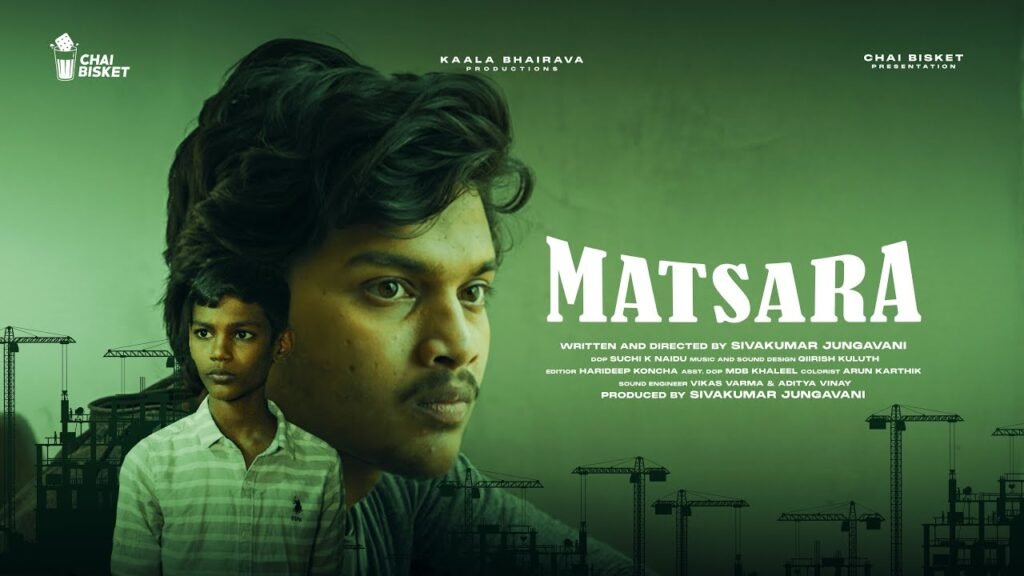
Matsara stands out as this week’s psychological triumph, tracing the corrosive effects of jealousy on personal relationships and self-esteem. The story centers around a protagonist whose growing envy slowly tears apart those closest to him, revealing the quiet, destructive power of internalized emotion.
Cast and Crew
Sivakumar Jungavani commands with intensity as both lead and creative head—writer, director, and producer. Radhika (Durga Veeranki), Sanju (Lokesh), Ramsingh (Rakesh Ramu), Sailohith, Achyuth, Nikhil Ramana, Raja Reddy, and others assemble a cast that, through subtle interplay, crafts a tense emotional world. The calculated acting escalates tension and maintains realism throughout.
Cinematographer Suchi K Naidu utilizes claustrophobic frames and shadow play; Harideep Koncha’s editing intentionally fragments and disrupts, mirroring psychological unraveling. Giirish Keluth’s sonic palette and Arun Karthik’s DI coloring further heighten the mood.
Performance and Technical Notes
Jungavani’s portrayal mines the depths of jealousy, moving from subtle insecurity to outright rage—subtle, chilling, and fully believable. The supporting cast provides a buffer and springboard for his descent. The technical team—with its clever editing, visual unpredictability, and haunting score—translates inner conflict into cinematic language, making for a viewing experience both uncomfortable and cathartic.
Audience Response
Filminity viewers celebrated Matsara’s bold emotionality, discussing its import in mental health awareness and the dangers of toxic comparison. The film’s realistic performances and technical daring attracted praise from both critics and everyday viewers, solidifying its place in the indie canon.
4. Yesterday Today Tomorrow: Mental Health through Cinematic Experimentation
Synopsis
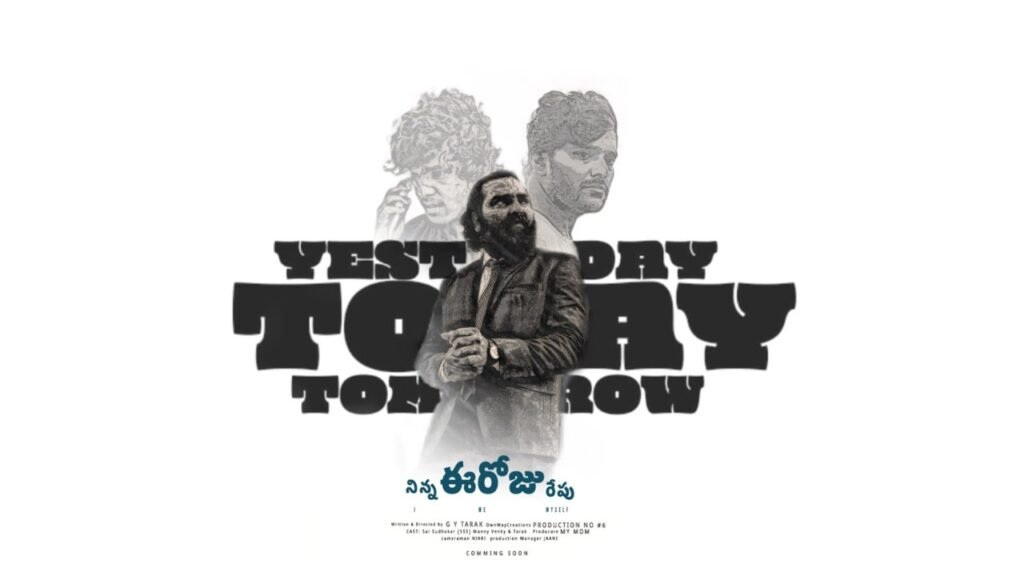
Yesterday Today Tomorrow (I Me Myself) bends cinematic convention, threading together three anthological stories exploring memory, trauma, and hope. It’s a potent meditation on the fluidity of self, asking viewers to inhabit the evolving mindstates of its troubled protagonist, Arjun.
Cast and Crew
Tarak headlines as Arjun, shouldering acting, directing, and editing duties—a feat that gives the film a singular, unifying voice. Manny, Sai Sudhakar, and Venky support in multi-layered roles, lending nuanced perspectives to different mental and emotional periods.
Director of Photography Nikki’s bold choices in light and palette, plus contributions in poster design and color grading, create a fluid visual narrative. The involvement of Tarak’s parents as producers ensures deep emotional stakes and family resonance.
Performance and Technical Notes
Tarak’s commitment reveals itself in layered, vulnerable acting—a range spanning confusion, desperation, and hope. The supporting cast cleverly mirrors and antagonizes these states. Nikki’s lens offers both dreamy and stark frames, while editing and music expand the psychological complexity. The family-backed production grounds the film’s experimental risks in authentic stakes.
Audience Response
Audiences experienced the film as “profound, artistic, and deeply empathetic.” Conversations surfaced on mental health, with some viewers expressing a newfound understanding of their own or loved ones’ struggles. The ensemble’s technical and emotional bravado earned particular admiration, with repeat viewing recommended to grasp its depth.
5. CHAI: Suspense Unfolding in a Tea Break
Synopsis
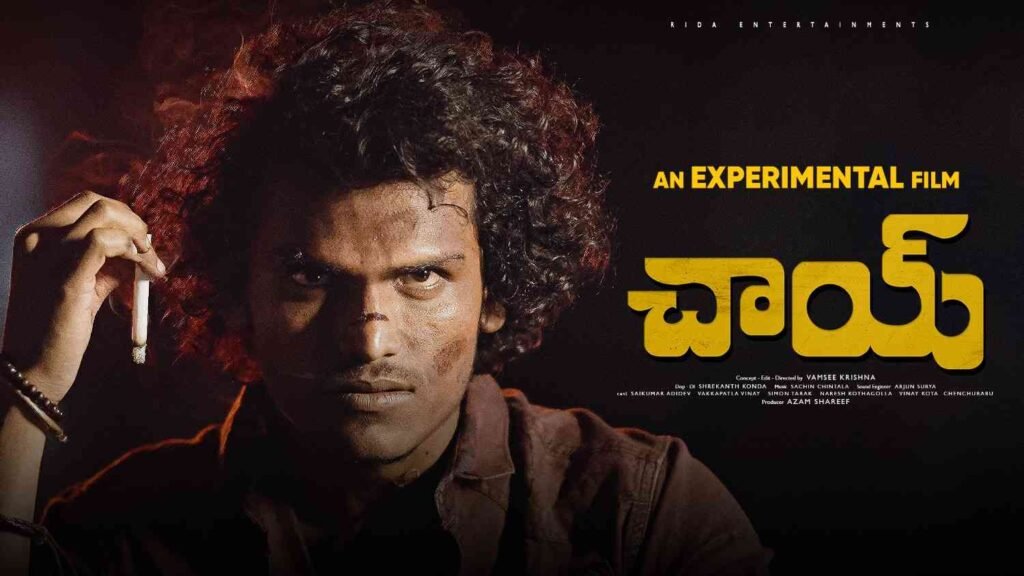
CHAI is an incisive short film that distills themes of deception, fate, and karma into just a few sharp minutes. The story unpacks the consequences of a man’s attempt to cheat another, only to find fate turning the tables in shattering fashion.
Cast and Crew
Saikumar Adidev’s intense lead performance fuels the drama, supported by Vinay Kumar, Simon Tarak, Kota Vinay, Naresh, and Chemchu Babu. Together, the ensemble enacts fast-paced tension, moral uncertainty, and surprise without missing a beat.
Director/editor Vamsee Krishna maintains rigorous control over pacing and escalation; Shreekanth Konda’s camera and DI skills conjure an atmosphere of claustrophobic suspense and anticipation. Sachin Nani’s music underlines each narrative twist, holding the audience’s breath moment by moment.
Performance and Technical Notes
Adidev blends anxiety and calculation, manipulating audience sympathies in a breakout short-form performance. Each cast member, no matter how fleeting their screen time, brings essential contribution to the mood. The crew’s technical precision ensures no moment is wasted—lighting, sound, and editing seamlessly amplify the film’s moral punch.
Audience Response
Viewers called CHAI “a model of independent suspense,” celebrating its brevity, efficiency, and lasting impact. The ethical implications of the story sparked discussion across social platforms, with audiences cheering the cast-crew’s ability to entertain and provoke thought within such constraints.
The Heartbeat of Week 6: Ensemble Craft, Technical Innovation, and Emotional Connectivity
Filminity’s 6th week further cements the notion that Indian independent film is entering a golden age—an era defined by talented ensemble casts, technical ingenuity, and a shared pursuit of powerful storytelling. Each film above stands not just as entertainment, but as an artifact of a collaborative process: directors, writers, designers, musicians, and actors join together, building worlds that draw viewers out of the ordinary and into the extraordinary.
The platform’s voting, community sharing, and in-depth crew profiles encourage celebration of all contributors, making success a communal achievement rather than a solo race.
Audience Impact and Cultural Resonance
The resonance of these films is measured not just in views or reviews, but in viewer conversations, emotional reactions, and the ways audiences describe themselves reflected on screen. Comments about AanandoBrahma evoke gratitude for teachers and education; Chinna Army inspires talk about rural identity and friendship; Matsara fosters dialogue around envy and mental health; Yesterday Today Tomorrow urges introspective discussion and empathy; CHAI prompts reflection and debate on choices and destiny.
The Filminity Promise: Elevating Indie Voices
As Filminity OTT looks towards week 7, its commitment to independent artists is stronger than ever. Its platform supports bold, original works, connects audiences with powerful stories, and recognizes cast and crew for their essential creative labor.
These 6th week chart-toppers illustrate cinema’s transformative potential: art is not only personal—it is also communal, technical, and deeply rooted in collective experience.