October 2025 has emerged as one of the most vibrant and transformative periods in Indian cinema history, showcasing a spectacular mix of mythological epics, blockbuster franchises, regional successes, and genre-spanning innovations. The top trending Indian films of today reflect not only the strengthening of pan-Indian cinema but also how diverse storytelling styles, unique cultural narratives, and strategic marketing have combined to create a thriving cinematic ecosystem. This 1800+ word article explores the key films dominating box office charts and public discourse this October, placing them in the broader context of the Indian film industry’s dynamic evolution.
Kantara: Chapter 1 — A Mythological Masterpiece with Pan-Indian Appeal
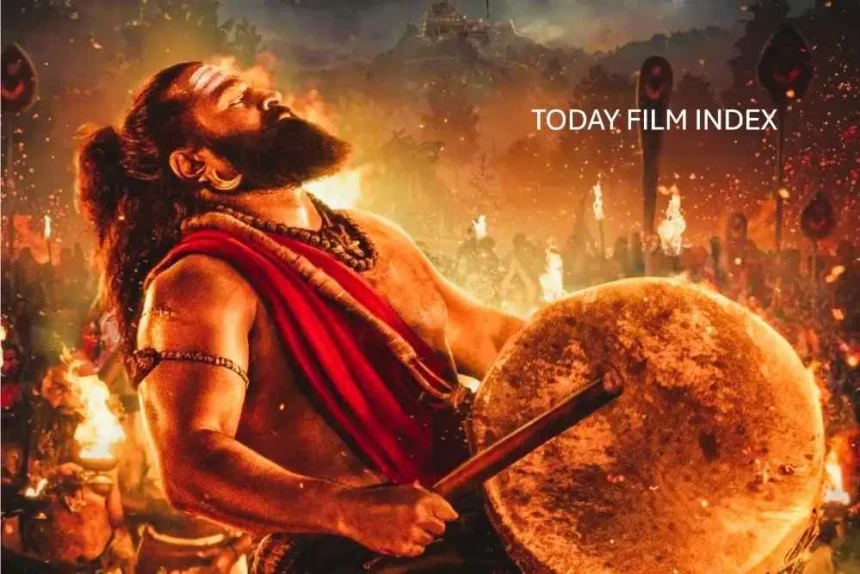
On October 2, 2025, “Kantara: Chapter 1,” directed by and starring Rishab Shetty, released to overwhelming anticipation. This Kannada-language film is a prequel to the monumental 2022 hit, unfolding a spellbinding story embedded deeply in the spiritual and cultural milieu of pre-colonial coastal Karnataka during the Kadamba dynasty.
What makes “Kantara” compelling is its blend of folklore, mythology, and raw human drama framed around the Bhuta Kola ritual—the traditional spirit worship native to the region. The film’s complex themes wrestle with land rights, ancient belief systems, and the eternal struggle to protect nature and heritage. Cinematographer Arvind S Kashyap’s breathtaking visuals and Ajaneesh Loknath’s immersive score elevate the film into an epic cinematic experience.
“Kantara’s” appeal has transcended linguistic barriers through a multi-language release strategy including Hindi, Telugu, Tamil, and Malayalam versions, broadening its audience base beyond Karnataka. Its advance ticket bookings shattered records, signaling massive interest from urban multiplexes to small-town screens. Critics have praised its meticulous direction and mythology-rich narrative, though some have pointed to its pacing and density, acknowledging that the film demands patience but ultimately rewards audiences with emotional depth and visual grandeur.
The success of “Kantara” is a hallmark for regional cinema aspiring to pan-Indian prominence, exemplifying how culturally authentic stories can resonate widely when executed with cinematic excellence and intelligent marketing.
Sunny Sanskari Ki Tulsi Kumari — The Quintessential Bollywood Festival Rom-Com
Also releasing on October 2, the Bollywood film “Sunny Sanskari Ki Tulsi Kumari” provides a stark contrast in theme and tone, offering a fun, colorful, and upbeat rom-com starring Varun Dhawan and Janhvi Kapoor. Directed by Shashank Khaitan, the film targets festive audiences looking for light-hearted entertainment.
This movie’s strong advance bookings and expectations further showcase the distinct niches within Indian cinema where diverse audience tastes comfortably coexist. While “Kantara” pulls audiences into deep mythology and ritualistic spectacle, “Sunny Sanskari Ki Tulsi Kumari” offers a lively, party-like vibe filled with dance sequences, humor, and romance, carrying forward the legacy of family entertainers that dominate Bollywood’s festive releases.
Varun Dhawan’s remarks about both films performing well highlight an optimistic industry outlook where disparate cinematic experiences can thrive simultaneously, boosting overall box office revenues.
Upcoming Anticipations: Thamma, Go Goa Gone 2, and Beyond
Looking ahead, October is set to maintain its momentum with a slew of eagerly awaited releases. “Thamma,” scheduled for Diwali on October 21, stars Ayushmann Khurrana and Rashmika Mandanna in a genre-mixing tale that melds Indian mythological vampirism with romance and suspense. The high-profile cast and inventive narrative promise to add an intriguing layer to festive film offerings.
Another much-awaited sequel is “Go Goa Gone 2,” the follow-up to the cult zombie comedy. Slated for mid-October, it reunites Saif Ali Khan and Vir Das for more comic horror mayhem, amplifying the appetite for genre expansion in Indian cinema.
The re-release of SS Rajamouli’s “Baahubali: The Epic” toward the month’s end is set to create massive buzz, celebrating one of India’s greatest cinematic spectacles and attracting audiences of all ages back to theaters.
Regional Cinema’s Ascendance
The rise of regional cinema remains one of the greatest transformations shaping the Indian film industry. Tamil, Telugu, Malayalam, and Kannada films continue to make significant box office impacts and critical waves. “Idli Kadai,” a Tamil dramedy starring Dhanush, has received widespread acclaim for its relatable storytelling and humor. Simultaneously, Telugu hit “Lokah Chapter One: Chandra” and mythological spectacle “Mahavatar Narsimha” showcase how regional films draw deeply from local culture while achieving pan-regional appeal.
As regional filmmakers embrace multilingual strategies and digital marketing innovations, their films are enjoying unprecedented success and visibility nationally and internationally. This diversification enriches India’s cinematic fabric and challenges Bollywood’s traditional dominance.
Romance, Comedy, and Franchise Powerhouses
Romantic dramas such as “Saiyaara” and “Dhadak 2” continue to draw young audiences with heartfelt storytelling, contemporary themes, and fresh star pairings, underscoring Bollywood’s enduring love with the romance genre.
Comedy sequels and franchise films like “Jolly LLB 3,” “Go Goa Gone 2,” and “Masti 4” guarantee box office returns by catering to established fan bases. Their blend of humor, social satire, and recognizable characters ensures steady spectator interest, making comedy a staple in India’s cinematic ecosystem.
Action and Heroism — From Salaar to Homebound
India’s appetite for high-octane action remains insatiable, with “Salaar 2” helmed by Prabhas generating significant buzz. Alongside, “Homebound,” a gripping rural police drama, and “Ajey: The Untold Story of a Yogi,” a biographical film, reflect a trend towards diverse heroic narratives from mystical to realistic, showing the broadening scope for action in Indian cinema.
OTT Platforms and Hybrid Cinema Landscape
OTT platforms are now essential players, offering original content in Hindi, Tamil, Malayalam, and other languages. October new releases like “Madharaasi” and “War 2” strengthen this trend, facilitating hybrid release models that boost film reach and cater to digital-first audiences.
This new dynamic influences how films are marketed, consumed, and critiqued, highlighting the ecosystem’s evolving complexity and inclusivity.
Market and Cultural Trends
Measured data suggests a major shift: regional films now account for nearly half of India’s box office revenue, reflecting their growing stature. Bollywood, while still influential, shares center stage with regional powerhouses across multiplexes and single screens.
Social media trends demonstrate a democratization of influence, allowing smaller films to find appreciative niche audiences through digital word-of-mouth.
The Future of Indian Cinema
India’s film industry is heading towards deeper integration of multilingual productions, international co-productions, and increased investment in indie and regional stories that defy traditional norms. This trend heralds a future where Indian cinema’s diversity is its greatest strength, with films like “Kantara: Chapter 1” and “Baahubali” leading international cultural exchange and box office innovation.
Conclusion
As October 2025 unfolds, Indian cinema celebrates both tradition and change, myth and modernity, spectacle and subtlety. The top trending films today don’t just entertain—they connect cultures, explore identities, and show cinema’s power as a unifying force.
From grand mythology to urban romantic comedy, from regional storytelling to OTT innovation, the richness and resilience of Indian films continue to captivate millions, ensuring that India remains a cinematic powerhouse on the global stage.